Moving to New Zealand for work is a big call for any tradie. There is the job itself to think about, but also visas, accommodation, a different work culture, getting established financially and, for many people, bringing a partner or family along for the move.
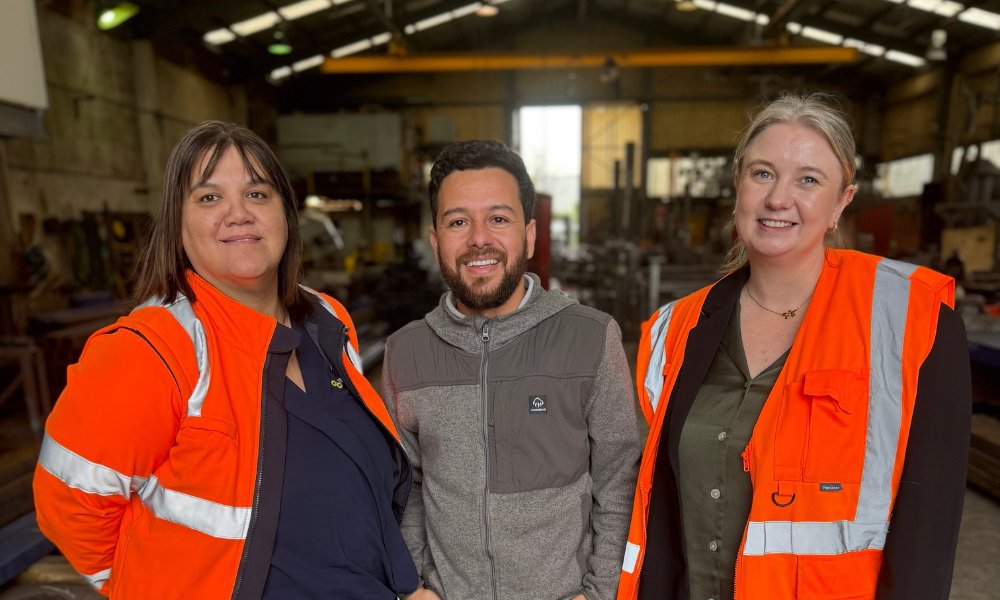
We recently caught up with Ronaldo, a fabricator welder from Brazil whose journey with us started through international recruitment. Our international recruitment team helped Ronaldo make the move to New Zealand and get started in the engineering industry. Years later, the relationship has come full circle. Ronaldo is now Managing Director and an owner of ISSA Engineering, and our Mt Wellington branch has worked with him as a client to bring skilled workers into his team.
What Is It Like Moving to New Zealand for Work as a Tradie?
Ronaldo had spent time in Australia on an exchange before returning to Brazil and considering a move overseas.
“We started sending our CV all around the world,” Ronaldo says.
His CV reached our international recruitment team and led to conversations about an opportunity in New Zealand. He had doubts about such a big move:
“At the first meeting you get a bit scared. You’re in another country and you’re hearing from someone on the other side of the world.”
An international job offer affects your career and your life at the same time.
Recruiter Insight
“One thing international tradies can underestimate is how many questions come up outside the actual job. Where will I live? What will the workplace be like? What do I need before I arrive? What happens with my partner? Good international recruitment needs to account for the person making the move, not just the vacancy we are filling.”
Why Does Support Matter When Moving to New Zealand for Trade Work?
A job offer is only one part of successfully moving countries.
Ronaldo remembers becoming more confident in the process as his conversations with our team progressed.
“Once things progressed, you felt very safe that Tradestaff knew what they were doing, had good support there, had a good team, and covered all the aspects.”
That included access to immigration advice and practical information about settling into New Zealand, what to expect and some of the differences he would encounter after arriving.
There was another important part of the move too. Ronaldo was not coming alone.
His wife moved with him, which meant the experience had to work for both of them.
“The support was great. Not just for myself, but even my wife. She came with me, and I could see everyone all the time asking how she was doing, if she was okay, and how she was feeling about the move.”
For us, that is an important part of international recruitment. A qualified fabricator welder might be the person taking the job, but there is often a partner or family making the move as well.
It also takes people working together. Our International team supports workers through the international recruitment process and their transition into work in New Zealand, while our local branches bring their knowledge of clients, worksites and the areas where people will live and work. In Ronaldo’s case, Tanya and the Mt Wellington team had the local relationship with his business. That connection between International and our branches helps everyone involved understand both the job and the move.
Can Moving to New Zealand Create Long-Term Opportunities for Tradies?
Ronaldo’s experience shows that an international placement does not necessarily define the rest of your career.
Getting into the country and onto your first site is the starting point. From there, what happens depends on your skills, attitude, opportunities and the direction you want your career to take.
Ronaldo continued progressing through the engineering industry, building on his hands-on fabrication, welding and welding inspection background before eventually becoming Managing Director and an owner of ISSA Engineering. When the business needed skilled people, he came back to Tradestaff, this time as a client.
That created an unusual full-circle moment.
“Once I was here and I started growing, I was like, ‘Okay, what should I do now? I need support.’”
Tradestaff was one of the first places he thought of. He developed a working relationship with our Mt Wellington branch, which got to know his business and the people he needed.
“First, I know Tradestaff looks after their people because they did that with me.”
That comment matters to us because Ronaldo had experienced recruitment from both sides. He knew what it felt like to arrive as an international worker, and later he knew what it was like to be responsible for the people working in his own business.
What Should Overseas Tradies Expect From Working in New Zealand?
Ronaldo’s first piece of advice is fairly practical.
“Expect cold weather!”
More seriously, he points to support, hard work and the opportunity to establish a reputation.
“If you are someone who is keen to work hard and keen to make a name for yourself, there are still a lot of opportunities out there.”
For skilled tradespeople considering New Zealand, it is worth remembering that employers here are not simply looking for someone who can list the right technical skills on a CV.
Your ability to work safely, communicate with supervisors and other trades, turn up reliably and adapt to the way a New Zealand site operates all matter.
Health and safety expectations are also an important part of working here. Site inductions, PPE requirements, hazard reporting and following the direction of site supervisors are normal parts of working on New Zealand construction, engineering and industrial sites.
Technical ability gets noticed. So does the way you work.
The location of your first job may not be the only place you work in New Zealand. Tradestaff branches operate in different parts of the country, and our teams can help tradies explore opportunities in other areas when suitable roles are available. The right options will depend on your skills, location and eligibility to work.
The Full-Circle Story: From International Worker to Hiring Other International Tradies
Perhaps the strongest part of Ronaldo’s story is what happened after he became an employer.
Through Tradestaff, Ronaldo took on international workers within his own business. One of those workers was Alfred, who was recruited through our International team and supported through his move and transition into work in New Zealand. Working alongside International, our Mt Wellington branch placed Alfred on assignment with Ronaldo’s business and continued supporting the local client and worker relationship.
Alfred subsequently became a permanent member of Ronaldo’s team and was enjoying both the job and the environment Ronaldo had created. His life outside work was progressing too, with a new addition to his family.
It is a good example of how an established local client relationship and international recruitment support can work together, beyond filling an immediate skills gap.
Ronaldo arrived in New Zealand as an international tradie and went on to become Managing Director and an owner of ISSA Engineering. Years later, the business provided Alfred with an opportunity to establish his own career and life here.
Questions to Ask Before Accepting a Trade Job in New Zealand
Moving countries takes more planning than comparing pay rates. Ask what work you will actually do, what hours to expect and what it costs to live near the job. Find out what qualifications or site requirements apply and how the employer handles inductions and safety. If you are bringing a partner or family, talk through what support is available for them too.
Your first role can help you build local experience and relationships, but progression depends on the quality of your work and the opportunities available. Ronaldo’s path from fabricator welder to Managing Director and owner shows what is possible over time, without suggesting every move will follow the same course.
FAQ: Moving to New Zealand for Trade Work
Is New Zealand a good place for skilled tradies to work?
New Zealand can offer skilled tradies opportunities to build local experience and develop their careers. The opportunities available depend on your trade, experience, location, current market demand and your eligibility to work in New Zealand.
Can overseas fabricator welders work in New Zealand?
Yes, overseas fabricator welders can work in New Zealand if they have the appropriate skills and meet the relevant immigration and employment requirements. The exact pathway depends on the worker, role and immigration settings in place at the time.
Do I need New Zealand experience before applying for trade jobs?
Not necessarily. Relevant overseas trade experience can be valuable, although employers will want to understand your practical skills, qualifications where relevant, work history and ability to operate safely in a New Zealand workplace.
What support should I look for when moving to New Zealand for work?
Look for clear information about the role, location, employer expectations, immigration requirements and settling into New Zealand. If you are moving with a partner or family, consider their needs as part of the decision as well.
Can an international trade job lead to permanent employment?
It can. Alfred’s experience with Ronaldo’s business is one example where an international worker subsequently moved into permanent employment. Outcomes vary depending on the worker, employer, immigration status and business requirements.
Building a Trade Career in New Zealand
Ronaldo’s story did not finish when he arrived in New Zealand. That was the beginning.
He came from Brazil as a skilled fabricator welder, built his career and reputation in New Zealand, and eventually became Managing Director and an owner of ISSA Engineering. When he needed workers of his own, he worked with our Mt Wellington branch. The opportunity for Alfred brought together International recruitment and the Mt Wellington branch’s local client relationship with Ronaldo, with both teams playing a part in supporting a successful placement.
For tradies considering making the move, there is a useful lesson in that journey. Think beyond simply getting a job in New Zealand. Look carefully at the opportunity, understand the support around you and consider where that first role could take your career.
If you are looking at trade opportunities in New Zealand, explore our current Tradestaff jobs and talk with our team about the roles that match your skills and experience.